


Botanical name: Sequoia sempervirens
Family: Taxodiaceae
Other names: Sequoie, Giant Redwood
Origin: North America, cultivated in North/West Europe
Sequoia sempervirens is best known for its size; these trees can grow to heights of 60 to 100 m and reach diameters of 3–4.5 m.
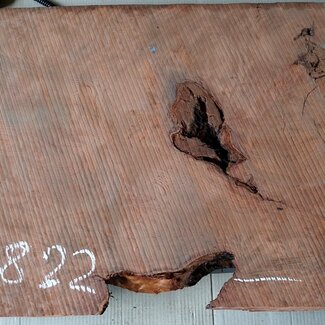
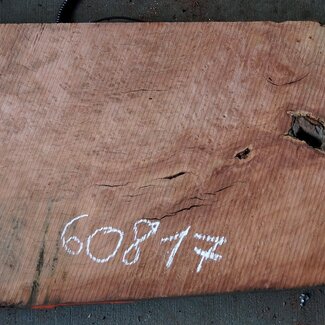
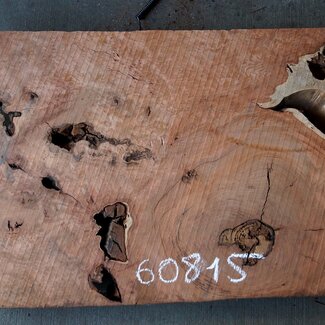
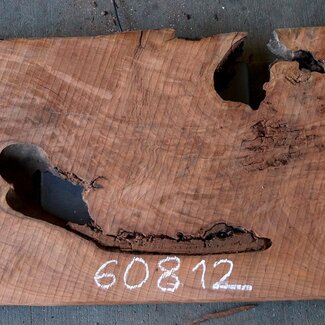
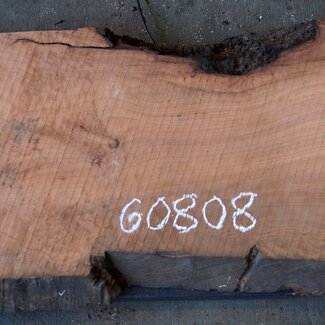
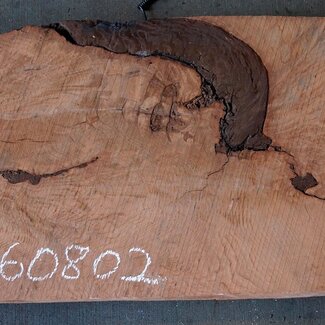
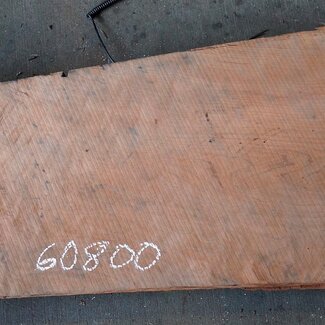
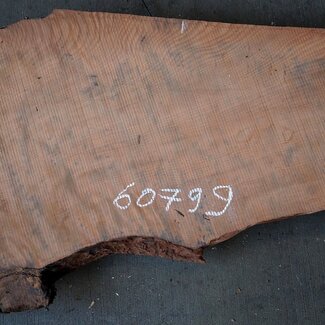
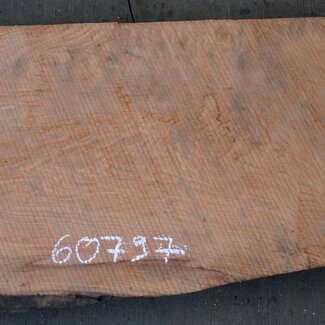
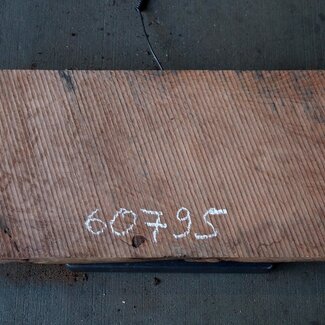
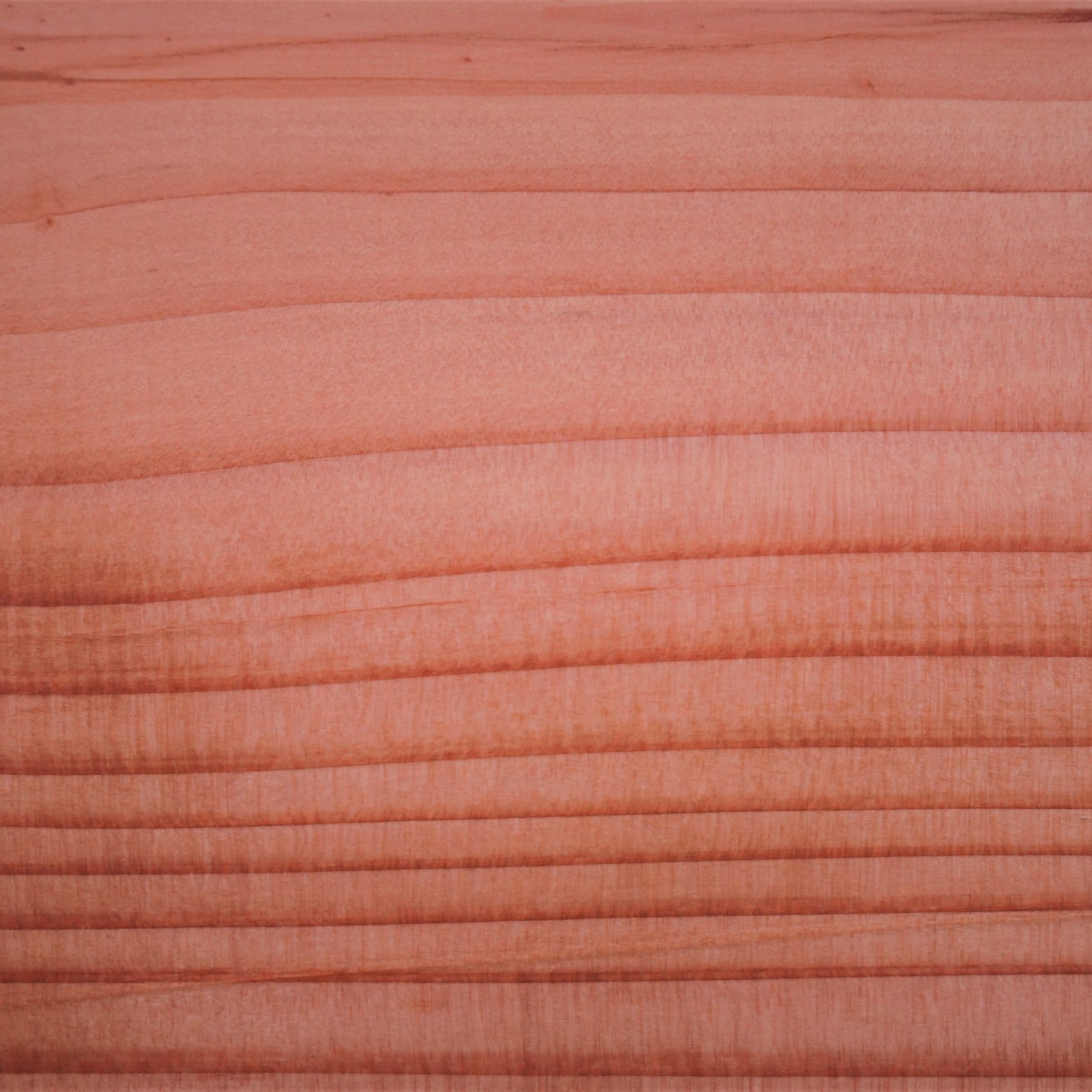
The sapwood is narrow, light to yellowish-gray, while the decorative heartwood is light to brownish-red, darkening when exposed to air and light. The wood’s texture varies from fine to coarse and can differ significantly. The wood is medium-hard, resin-free, relatively lightweight, and dries well. Redwood dries quite quickly and effectively when air-dried, with only minor losses in quality.
The wood is easy to work with—for example, it mills well—but sharp tools are essential to prevent marks in the wood. The wood is resistant to fungal and insect infestation, weather-resistant, and durable with appropriate surface treatment.
It is used in indoor and outdoor furniture making, as well as for wall and ceiling paneling, acoustic cladding, and framing.
The wood of the exceptionally attractive burl knots are marketed as “Vavona burl.”